
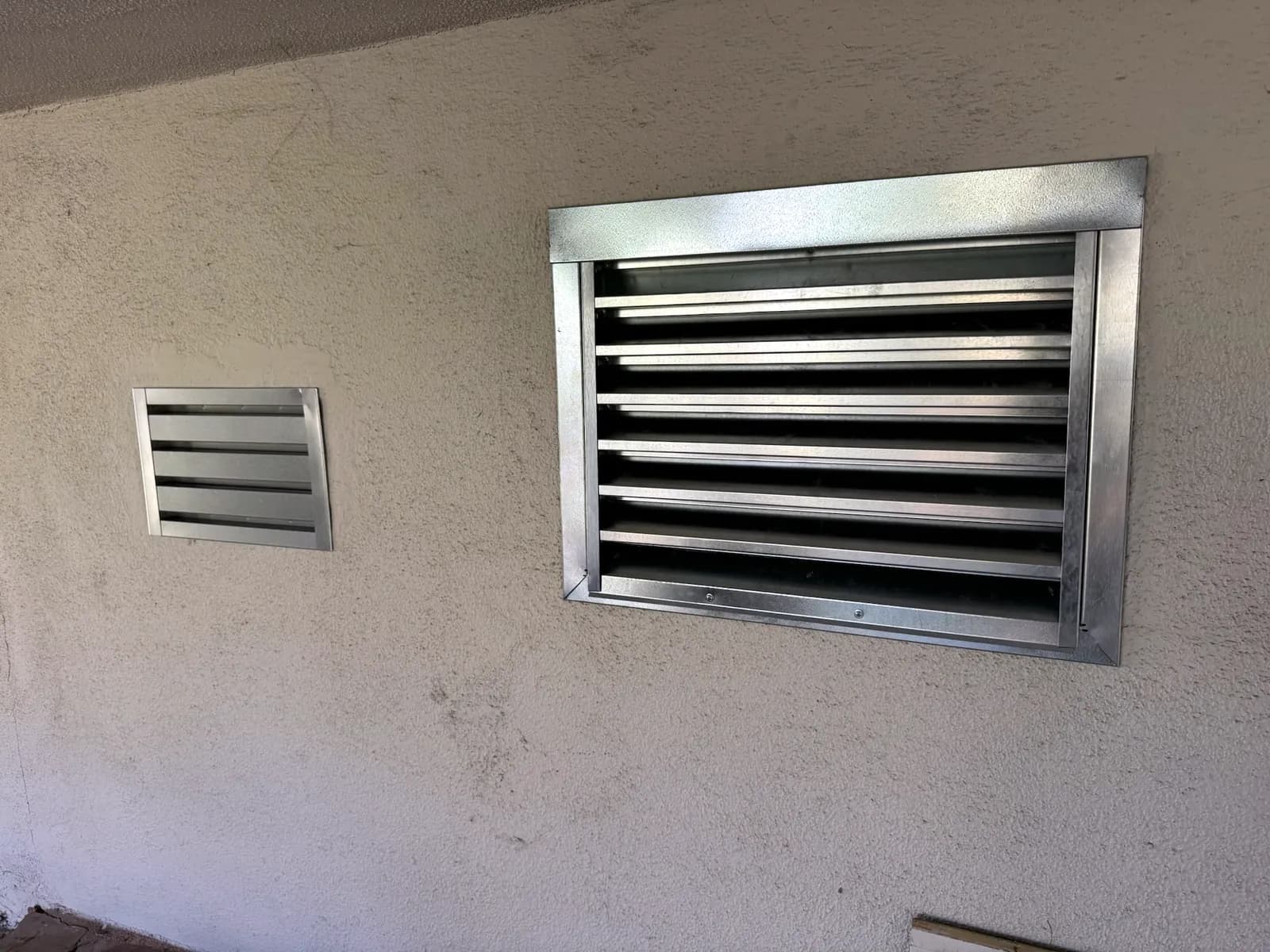
Ember-resistant vents
Embers find the vents first. Let's close them.
Ember-resistant vent installation and replacement for Pasadena, Altadena and Los Angeles homes, done to California's wildfire code and documented for your insurer. Also called ember-proof or fire-resistant vents.
7.8%
of 247 homes IBHS inspected after the 2025 LA fires had proper fire-safe vents with 1/8-inch or finer metal mesh.
1/8″
The mesh size that matters. IBHS testing found 1/4-inch mesh should not be used on any vent.
$50 to $500
Typical installed cost per vent, by type, based on a 2024 California study.
Find your vents
Most homes have more vents than people think.
Five places embers can get in
Check your vents
Is your vent mesh small enough?
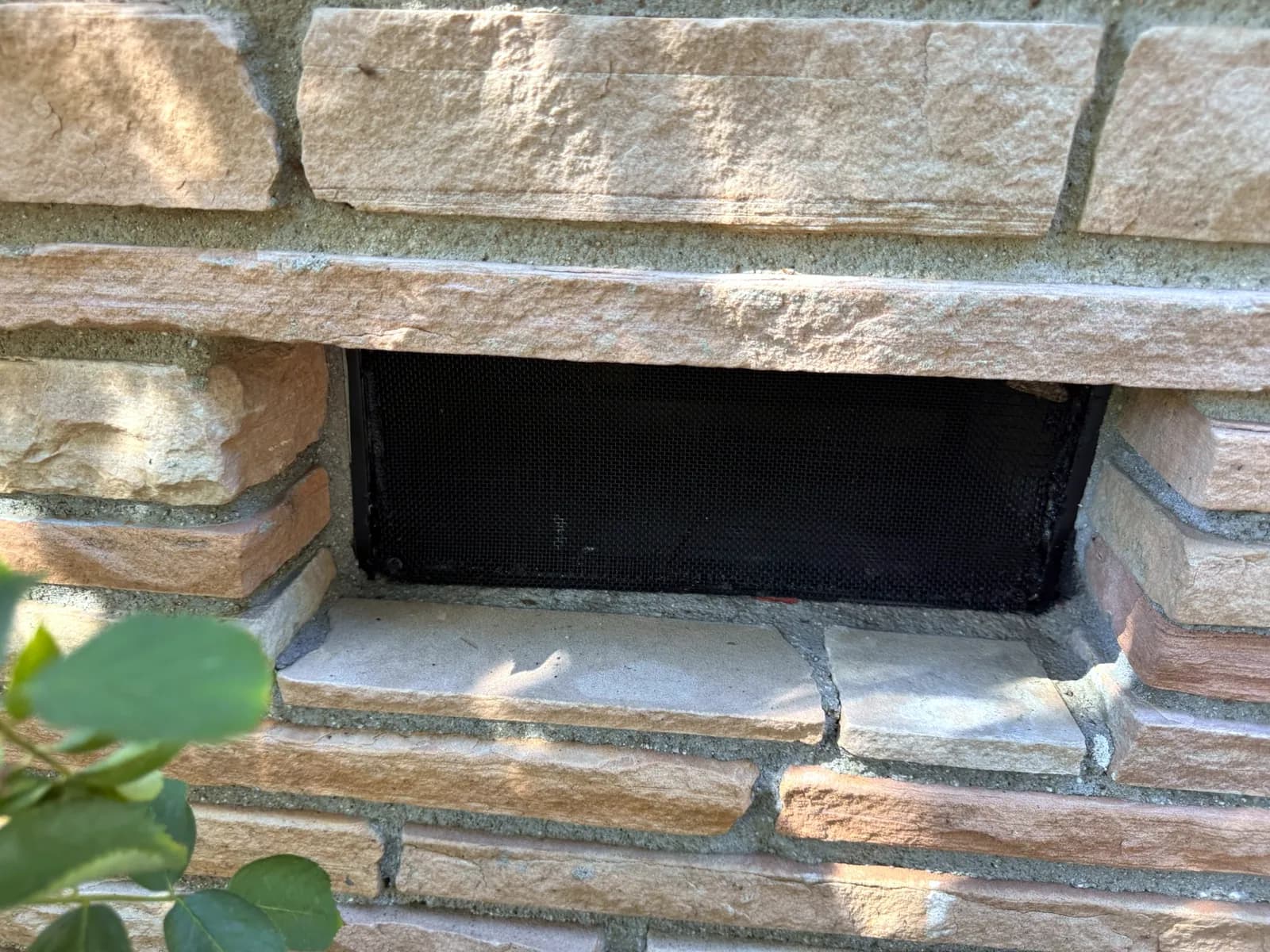
Embers don't go out when they hit a screen. They keep burning until they're small enough to fit through. So the size of the openings is what decides how many get into your attic or crawlspace.
Hold your phone up to a vent. Which looks closest?
Check eave, gable and foundation vents separately, since they often differ.
1/4 inch
6.4 mm openings
- Embers
- Lets burning embers through. IBHS says it shouldn't be used on any vent.
- Airflow
- About 81% open
- Rules
- Flagged in California's AB 38 disclosure if you sell a pre-2010 home in a fire hazard zone.
1/8 inch
3.2 mm openings
- Embers
- Stops most embers. The smallest can still pass.
- Airflow
- About 75% open
- Rules
- Meets the IBHS Wildfire Prepared Home option and the AB 38 threshold.
1/16 inch
1.6 mm openings
- Embers
- Stops smaller embers too.
- Airflow
- About 71% open
- Rules
- Above the minimum. Clogs and gets painted over more easily, so check it yearly.
Before you call it done
No screen, torn, plastic, or painted over? Upgrade that one first. Foundation and crawlspace vents are the most common misses, since they sit low where embers pile up.
Metal only. Aluminum, steel or stainless. Fiberglass and plastic screen melt.
Building new or rebuilding? Wall, eave, gable and foundation vents need listed ember-resistant vents under the 2026 code, not mesh alone.
What the rules say
Do you have to replace your vents? It depends who's asking.
- Building new or rebuilding
- Since January 1, 2026, California's Wildland-Urban Interface Code (Section 504.10) covers vents on new homes in fire hazard zones. Wall, eave, gable and foundation vents must be listed by the State Fire Marshal or tested to ASTM E2886. Mesh alone (1/16 to 1/8 inch) only qualifies for roof vents like dormers and ridges.
- Selling your home
- AB 38 requires sellers of homes built before 2010 in High or Very High fire hazard zones to disclose vents with openings larger than 1/8 inch or that aren't flame and ember resistant. It's a disclosure, not an order to fix.
- Asking for an insurance discount
- California's Safer from Wildfires rules list fire-resistant vents as a discount item. The regulation points to listed vents while the Department of Insurance's consumer page mentions 1/8-inch mesh, so ask your insurer what proof they accept. IBHS Wildfire Prepared Home accepts listed vents or 1/8-inch metal mesh.
- Just living in an older home
- No state rule makes existing homes replace their vents. It's still one of the cheapest, most direct ways to keep embers out of the attic and crawlspace.
Your options
Mesh or a new vent? Here's the honest comparison.
Protection bars are RF1's read of published tests (IBHS, NIST 2025), not a lab rating. Prices are rough ranges based on a 2024 California study, not RF1 quotes. Links go to each maker's own site; descriptions are theirs, not RF1 test results. Listings change, so before buying, confirm a model on the State Fire Marshal's Building Materials Listing (vents are category 8165). Listed vents usually have less open area than plain mesh, so some homes need an extra vent to keep code ventilation.
What it costs
Typical costs, before your own quote.
These are rough installed costs per vent, based on a 2024 California study by Headwaters Economics and fire scientist Stephen Quarles, funded by CAL FIRE. They're a benchmark, not RF1's prices. Your cost depends on how many vents your home has, how hard they are to reach and which fix each one needs. Most RF1 jobs land between $500 and $5,000, and your plan prices every fix before anything is booked.
The honest part
No vent is fireproof. In 2025, NIST found some listed vents still let flames through under extreme heat, especially once the eave itself caught. Vents work best with a clear Zone 0, sealed gaps, and nothing stored against the house.
- Eave and soffit vents
- $50 to $150
- Roof vents
- $100 to $200
- Foundation vents
- $200 to $300
- Gable vents (usually 2 or more)
- $300 to $500
- Ridge vent with baffle
- $30 to $40 per foot
- Sealing gaps around each vent
- A few dollars per foot
How RF1 does it
Every vent counted. Every one documented.
- 01
Count and measure
We find every vent on the house, including the low foundation and crawlspace vents people miss, and check the mesh on each.
- 02
Recommend the right fix
Mesh where it's enough, listed vents where the code or your insurer expects them, with a price for each.
- 03
Install with pre-vetted contractors
RF1 coordinates the work, seals the gaps around each vent, and keeps the airflow your attic needs.
- 04
Photograph everything
Before and after photos of every opening, tied to its location, for your insurer or a future buyer.
From our jobs
What vent work actually looks like.
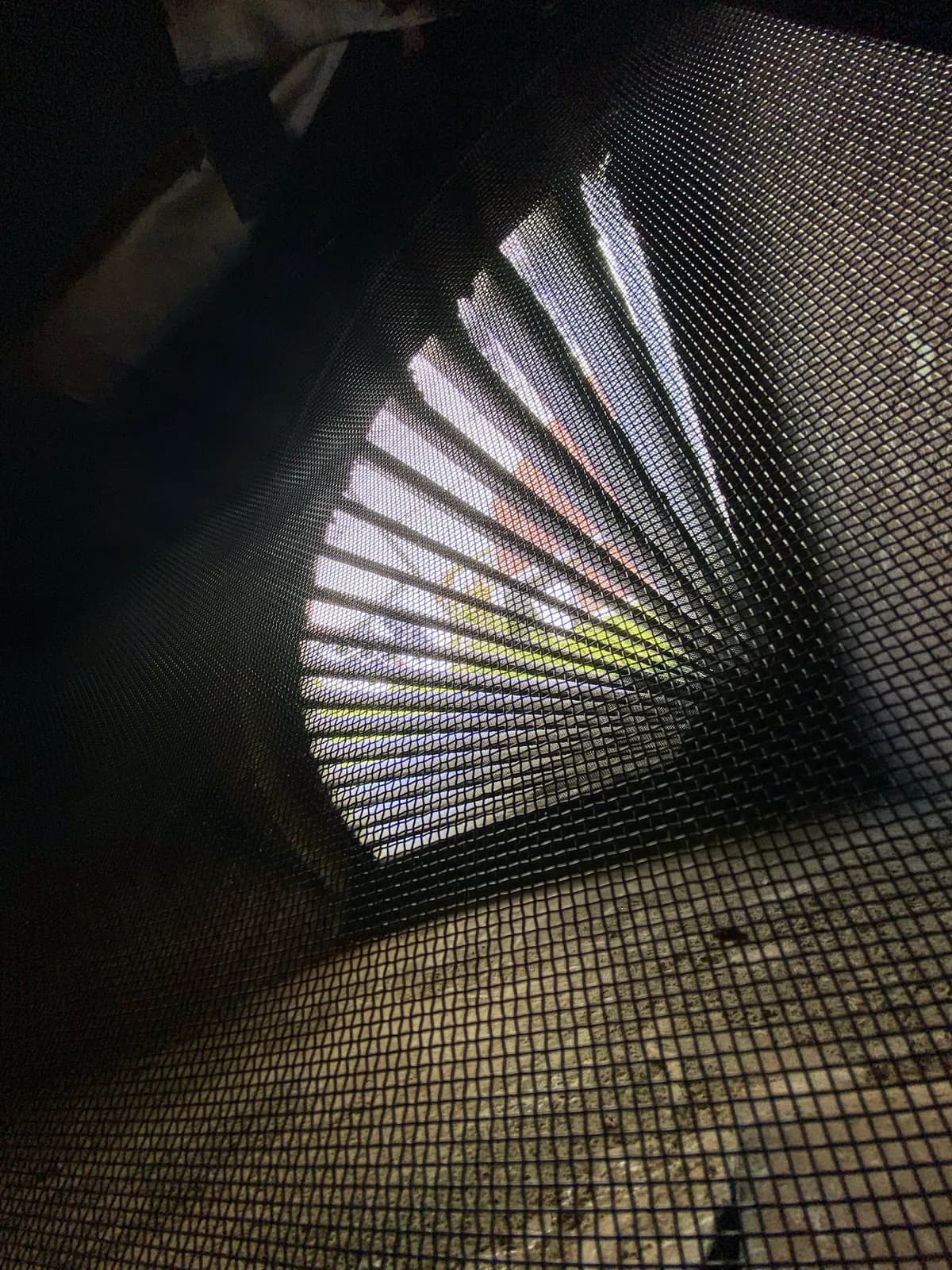
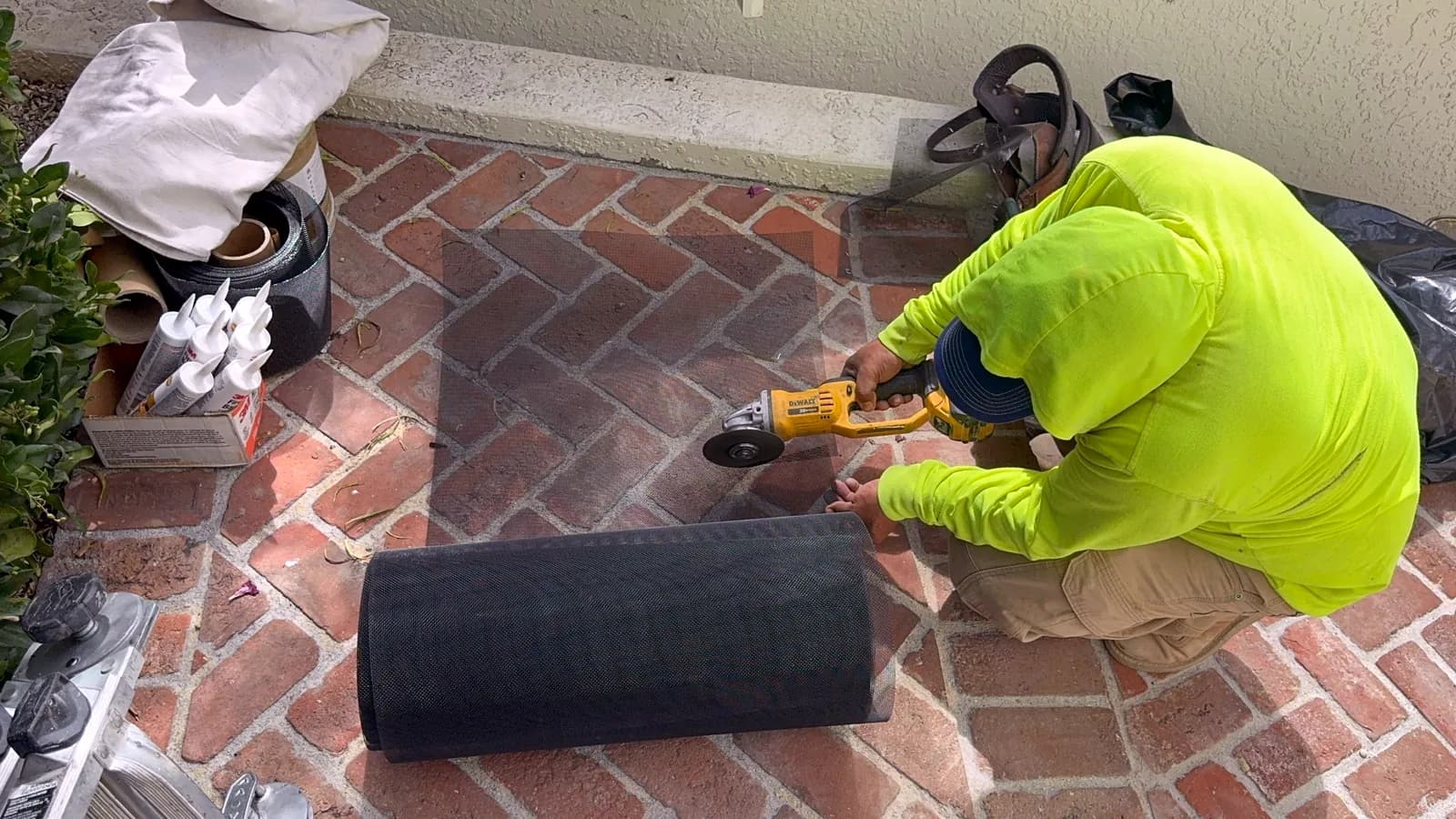
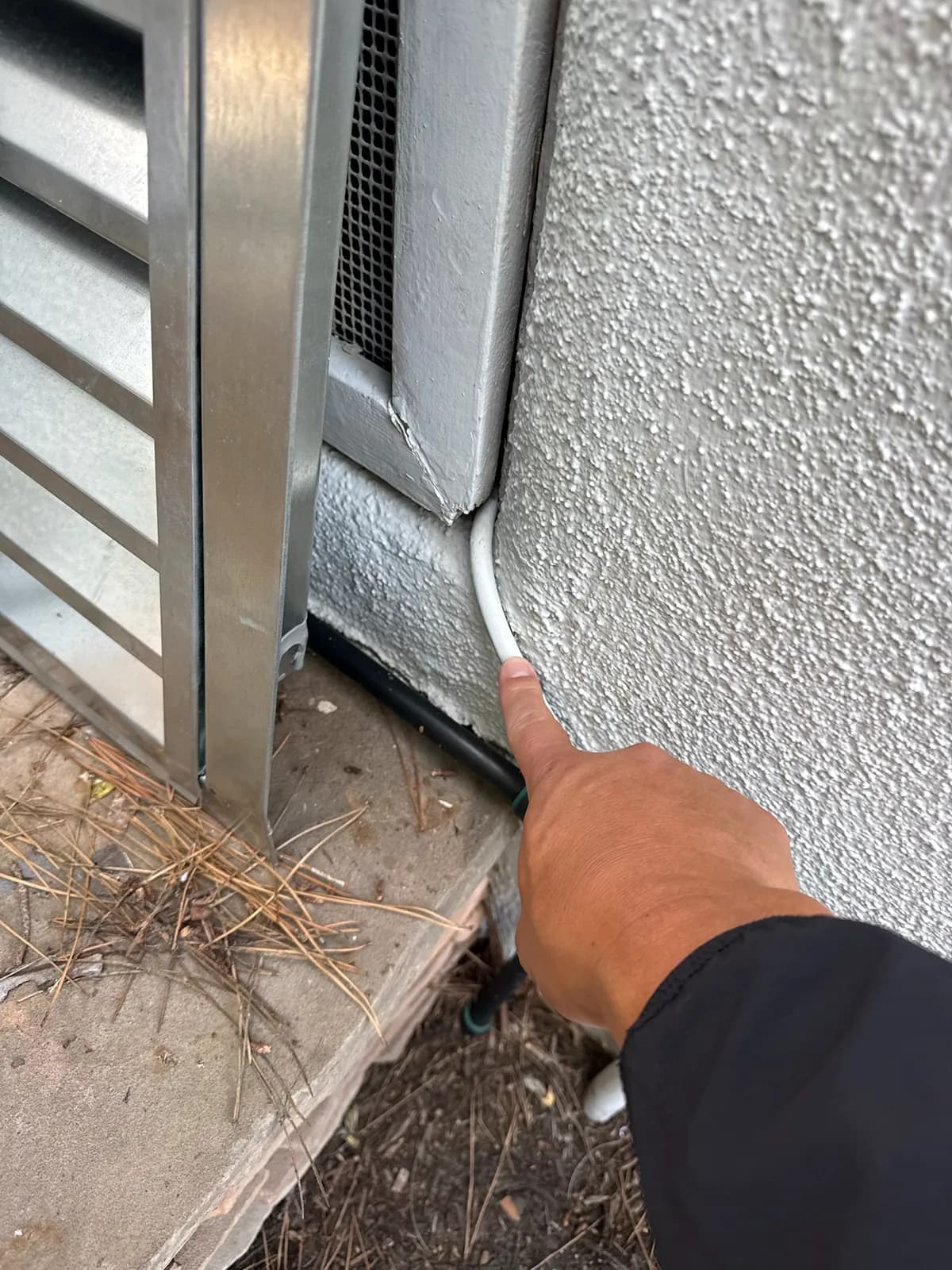
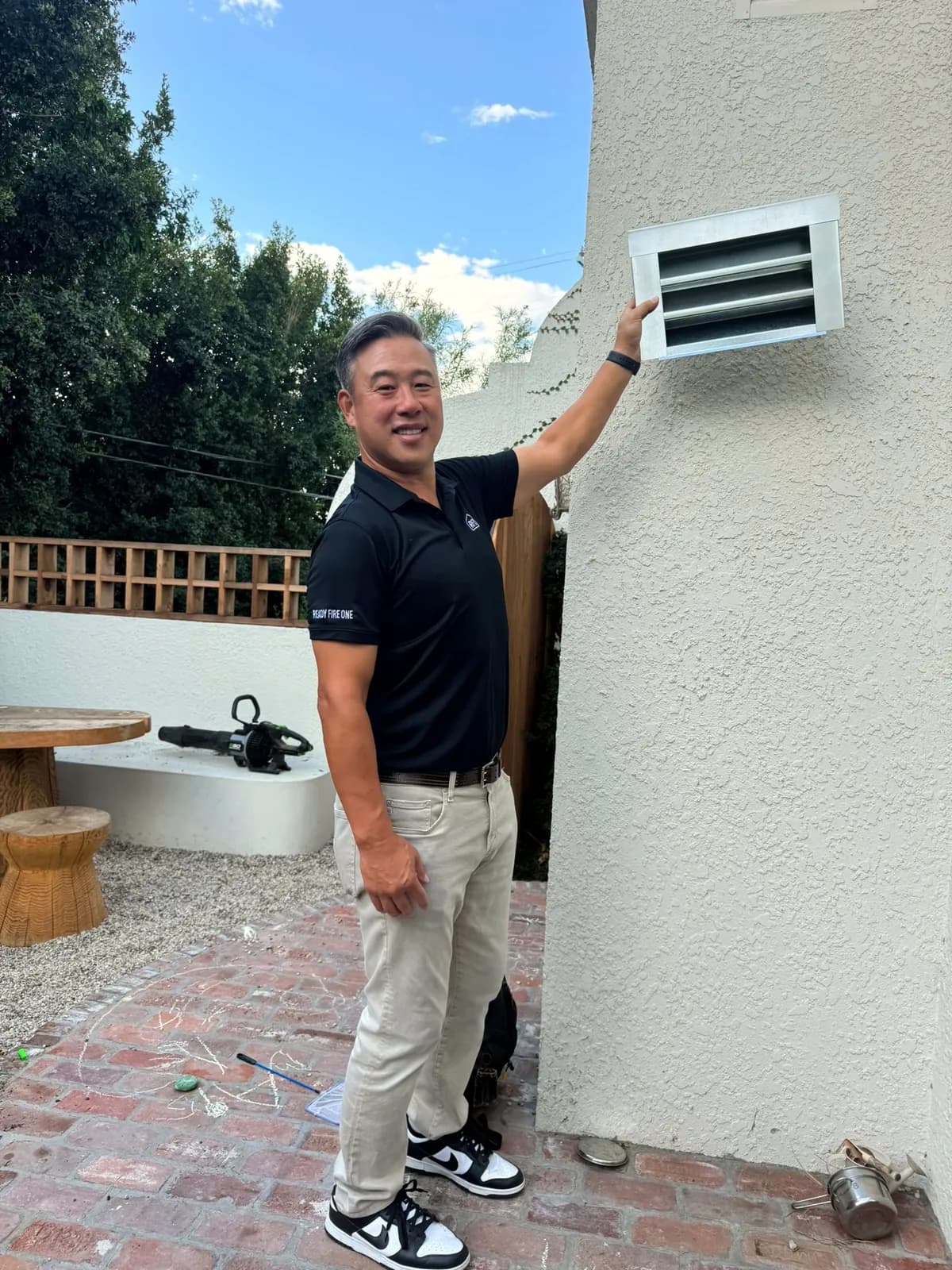
Real RF1 job photos. Locations withheld for our clients' privacy.
Questions
Vent questions, answered straight.
Not if your home already exists. No California rule makes existing homes replace vents. New homes and rebuilds in fire hazard zones must meet the 2026 Wildland-Urban Interface Code, and if you sell a pre-2010 home in a High or Very High zone, AB 38 requires you to disclose vents with openings over 1/8 inch.
Sources
- 2025 California WUI Code 504.10 (Town of Paradise summary)
- California Civil Code 1102.6f (AB 38 disclosure)
- California Department of Insurance, Safer from Wildfires
- IBHS Wildfire Prepared Home 2025 Technical Standard
- IBHS, Vulnerability of Vents to Wind-Blown Embers (2017)
- IBHS findings on the Palisades and Eaton fires
- NIST Technical Note 2341 (2025), vent performance at high exposure
- Headwaters Economics and Quarles, Retrofitting a Home for Wildfire Resistance (2024)
- UC ANR Fire Network, Vents
- State Fire Marshal Building Materials Listing (vents, category 8165)
Facts checked October 30, 2026.
Ember-resistant vent installation across the LA foothills
RF1 coordinates wildfire hardening for homes from Pasadena and Altadena through the foothills, canyons, and coast to Santa Barbara. See how we work in your area:
- Altadena
- Pasadena
- La Cañada Flintridge
- Sierra Madre
- Malibu
- Topanga
- Pacific Palisades
- Brentwood
- Bel Air
- Calabasas
- Montecito
- Agoura Hills
- Thousand Oaks
- Santa Barbara
- Ojai
- Carpinteria
- La Crescenta
- Burbank Hills
- Hollywood Hills
Looking for hands-on defensible space help? Defensible space contractor for Los Angeles or browse all assessment areas.
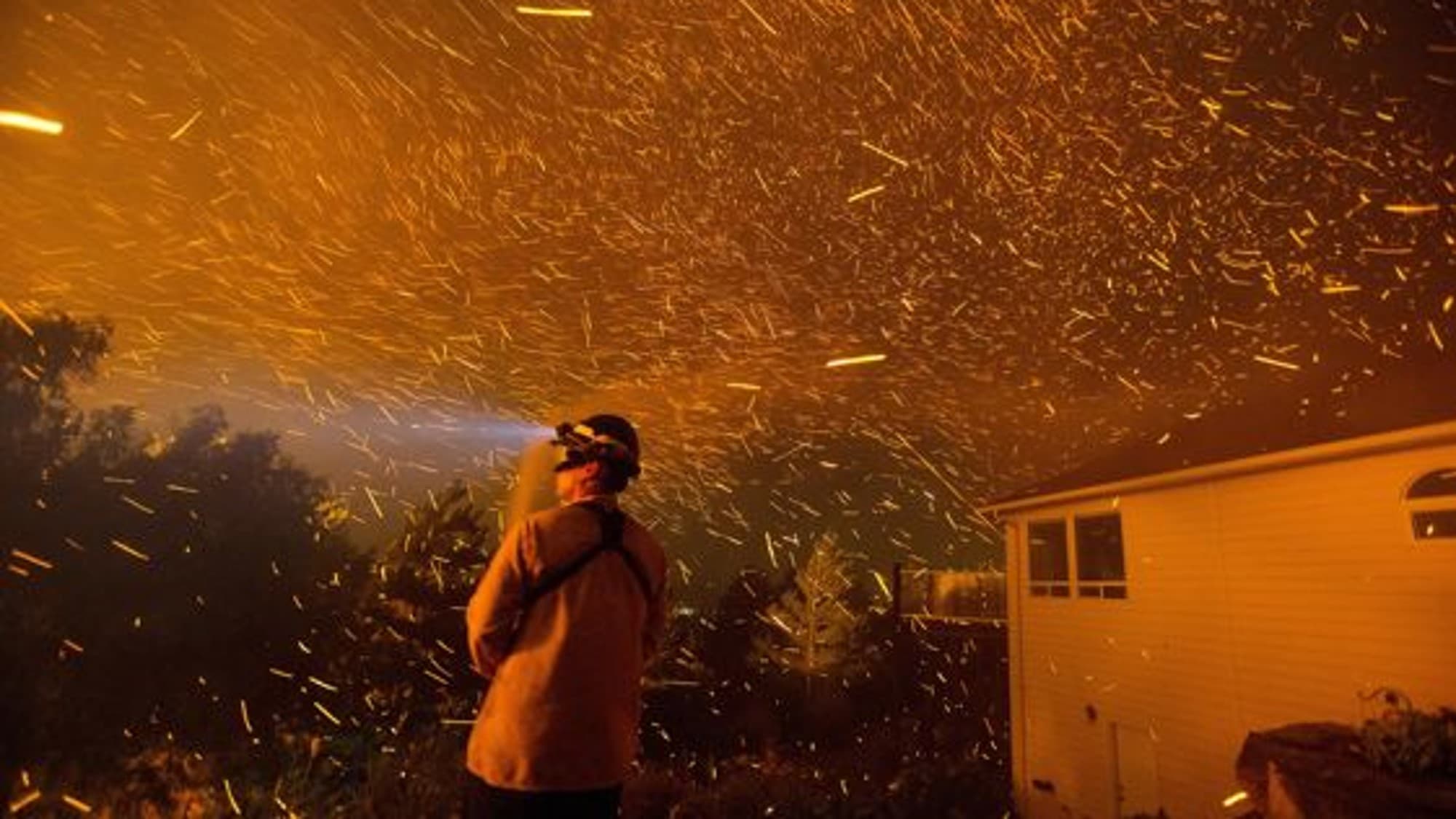
Don't wait for the next red flag day. Start with one call.
A free assessment, a plan with prices, and one team to do the work. Pasadena, Altadena and across Southern California.