
Montecito wildfire risk mitigation, home hardening, and assessment
RF1 helps Montecito homeowners understand local wildfire exposure, prioritize defensible space and home-hardening work, and document mitigation clearly for insurance conversations.

Estate landscaping can look maintained and still carry risk at vents, rooflines, gates, and Zone 0.
Start with the risks you can actually fix
Vents firstClose ember entry points before yard work gets expensive.
Zone 0 nextClean the first 5 feet and break fuel paths to the house.
Proof mattersLeave with photos and a short, ranked mitigation plan.
Local risk context
The map tells you the neighborhood. RF1 tells you what to fix at the house.
Montecito's wildfire exposure comes from frontcountry slopes, canyon vegetation, estate landscaping, long driveways, and a mix of older and high-value homes. Mitigation should combine home hardening, defensible space, and access-aware documentation.
The useful answer is not “am I in a fire zone?” It is “what should I fix first?”
Start with the mapped exposure. RF1 uses the local hazard context to understand slope, canyon wind, and nearby vegetation pressure.
Then inspect the ember paths. Vents, roof edges, decks, fences, attachments, plants, and debris decide how that exposure reaches the home.
Leave with a short fix order. The assessment turns the map into a ranked plan for vents first, Zone 0 next, and documentation for insurance conversations.
CAL FIRE risk context near Montecito
Pan and click mapped zones to compare nearby hazard classifications.
Local fire history
Fires that shaped wildfire risk in Montecito
Montecito's frontcountry parcels are mapped in High and Very High Fire Hazard Severity Zones under the Montecito Fire Protection District, which runs one of the most active defensible space programs in the state. The 2017–2018 fire-then-debris-flow sequence makes Montecito the clearest case anywhere that fire mitigation and slope risk have to be planned together.
2017
Thomas Fire
Burned into the Montecito foothills in December 2017 as what was then the largest fire in modern California history.
2018
Montecito debris flow
Three weeks after the Thomas Fire, storms over the burn scar sent debris flows through the community, killing 23 people and destroying more than 100 homes.
2008
Tea Fire
Destroyed roughly 210 homes across Montecito and Santa Barbara in a single November night of sundowner winds.
Local vegetation and Zone 0
The plants are not the whole problem. The path to the house is.

Montecito's wildfire exposure starts in the frontcountry: canyon vegetation, mature estate landscaping, long drives, and homes tucked below the Santa Ynez Mountains.
In Montecito, RF1 looks for the ways vegetation, fences, roof edges, gutters, and neighboring lots connect. The goal is not to strip the yard. It is to break the ember path before it reaches vents, siding, windows, decks, and the first 5 feet around the structure.
Local signals RF1 checks first
First move
Start with ember entry points like vents and roof edges, then clean up Zone 0 around the yard.
Book a Free Wildfire Risk Assessment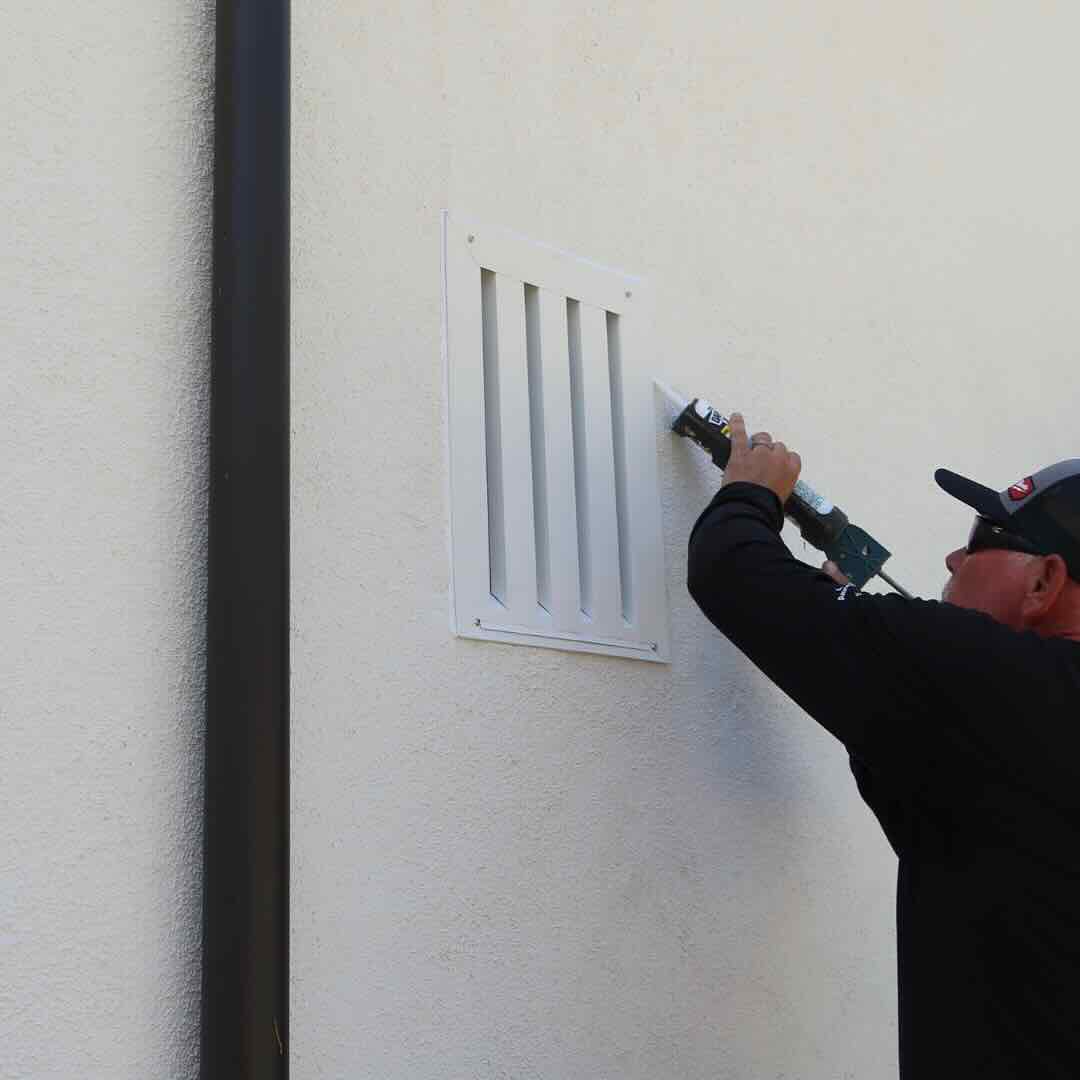
1. Protect openings
Vents, eaves, attic entries, and roof edges are where ember defense starts.

2. Clear the ember path
Then clean up the first 5 feet: mulch, dry leaves, stored items, fences, and plants touching the home.
3. Make it usable
Leave with a short priority list, not a pile of advice.
RF1 separates what to do now, what can wait, and what should be photographed for insurance conversations.
Home-specific plan
The right plan depends on the home, the slope, and the access
Montecito has estate properties, older homes, large landscaped parcels, and hillside/canyon-adjacent neighborhoods. Lot size does not remove risk: long access routes, ornamental fuel, and ember exposure still need detailed review.
RF1 adjusts the order of work to the house: vents and ember entry points first, then the vegetation and attachments that feed them.
What your RF1 assessment answers
01
Where can embers get in?
Vents, roof edges, eaves, gaps, decks, and attachments.
02
What is feeding that exposure?
Mulch, dry leaves, hedges, fences, sheds, and nearby canopy.
03
What should be fixed first?
A ranked plan with photos, materials, and insurance-ready notes.
Official resources
Official guidance, translated into a real plan
Use these resources for official fire department, city, county, and CAL FIRE guidance. RF1 can help translate the requirements into a practical property checklist and documented mitigation plan.
Homeowner questions
Common Montecito wildfire mitigation questions
How does the Montecito Fire Protection District's defensible space program affect my property?
The district inspects defensible space and offers homeowner programs that are more hands-on than most California communities — a genuine advantage. RF1 work is designed to complement the district's requirements: we handle the structure-side hardening, Zone 0 conversion, and the photo documentation that supports both district compliance and insurance conversations.
Should Montecito mitigation plans account for debris flow as well as fire?
Yes — 2018 proved they are one system. A fire on the frontcountry slopes sets up debris-flow exposure for the parcels below in the following winters. RF1 assessments note drainage paths, culverts, and slope conditions alongside ember risks so owners understand the full post-fire picture, not just the flame side.
Do I need a wildfire risk assessment in Montecito?
Montecito homes can have very different exposure depending on slope, vegetation, rooflines, vents, neighboring parcels, and Zone 0 conditions. A parcel-level assessment helps prioritize the work that matters first.
What does RF1 check during a Montecito assessment?
RF1 checks Zone 0, roof edges, gutters, vents, eaves, decks, fences, vegetation, access, and documentation needs. The goal is a prioritized mitigation plan, not a generic checklist.
Can wildfire mitigation help with insurance documentation?
Mitigation work can support insurance conversations when it is clearly documented. RF1 helps organize photos, scope, materials, and next steps so homeowners can share a concise package with their agent or carrier.
Wildfire risk assessments near Montecito
Get a wildfire mitigation checklist for your Montecito home
RF1 turns the map, vegetation, home-hardening issues, and insurance documentation into a prioritized plan you can actually use.