
Burbank Hills wildfire risk mitigation, home hardening, and assessment
RF1 helps Burbank Hills homeowners understand local wildfire exposure, prioritize defensible space and home-hardening work, and document mitigation clearly for insurance conversations.
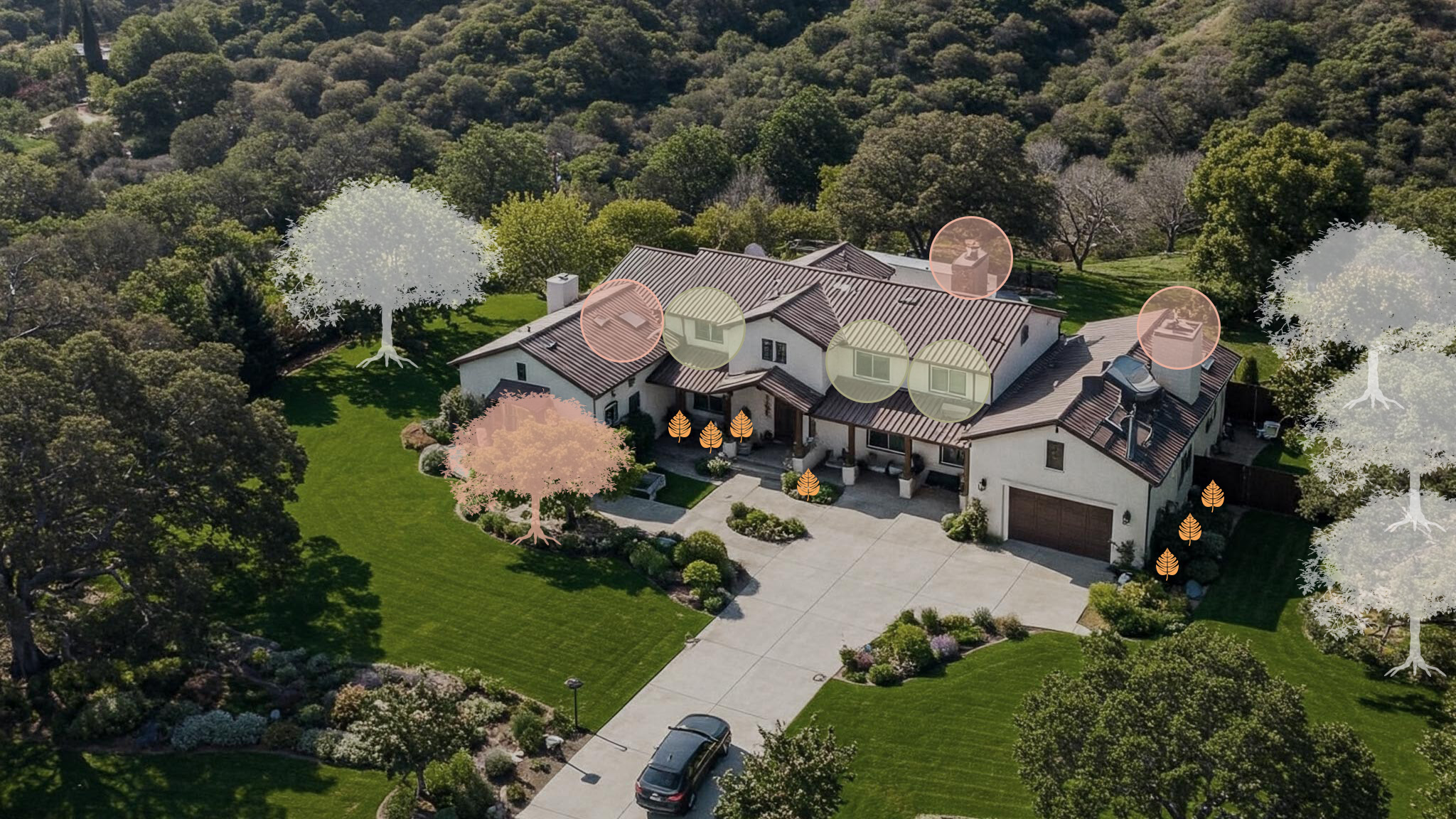
In Burbank Hills, Verdugo slopes, rooflines, vents, fences, decks, and Zone 0 all shape the fix order.
Start with the risks you can actually fix
Vents firstClose ember entry points before yard work gets expensive.
Zone 0 nextClean the first 5 feet and break fuel paths to the house.
Proof mattersLeave with photos and a short, ranked mitigation plan.
Local risk context
The map tells you the neighborhood. RF1 tells you what to fix at the house.
Burbank Hills homes sit against the Verdugo Mountains, where Wildwood Canyon, Stough Canyon, dry slopes, mature trees, canyon wind, and hillside streets can make exposure very different from the flatland parts of Burbank. A useful assessment has to connect the mapped hazard with vents, roof edges, decks, Zone 0, fences, access, drainage paths, and neighboring vegetation.
The useful answer is not “am I in a fire zone?” It is “what should I fix first?”
Start with the mapped exposure. RF1 uses the local hazard context to understand slope, canyon wind, and nearby vegetation pressure.
Then inspect the ember paths. Vents, roof edges, decks, fences, attachments, plants, and debris decide how that exposure reaches the home.
Leave with a short fix order. The assessment turns the map into a ranked plan for vents first, Zone 0 next, and documentation for insurance conversations.
CAL FIRE risk context near Burbank Hills
Pan and click mapped zones to compare nearby hazard classifications.
Local fire history
Fires that shaped wildfire risk in Burbank Hills
Burbank's hillside streets along the Verdugo Mountain edge are mapped in Very High Fire Hazard Severity Zones, and Burbank Fire runs both a Fire Hazard Reduction Program and AB 38 defensible space inspections for home sales. The Verdugos burn hot and fast — La Tuna covered the range in days — and homes above Country Club Drive and around the canyon parks sit directly on that edge.
2017
La Tuna Fire
Burned more than 7,000 acres of the Verdugo Mountains — at the time the largest brush fire in Los Angeles city history — forcing evacuations in Burbank's hillside neighborhoods.
ongoing
Recurring canyon starts
Wildwood Canyon and Stough Canyon see regular small ignitions near trailheads and roads; Burbank's hillside exposure is a steady drumbeat of starts, not a once-a-decade event.
Local vegetation and Zone 0
The plants are not the whole problem. The path to the house is.

Burbank Hills wildfire planning starts with the Verdugo Mountain edge: dry slopes, canyon wind, mature canopy, hillside streets, decks, and homes just below open-space fuel.
In Burbank Hills, RF1 looks for the ways vegetation, fences, roof edges, gutters, and neighboring lots connect. The goal is not to strip the yard. It is to break the ember path before it reaches vents, siding, windows, decks, and the first 5 feet around the structure.
Local signals RF1 checks first
First move
Start with ember entry points like vents and roof edges, then clean up Zone 0 around the yard.
Book a Free Wildfire Risk Assessment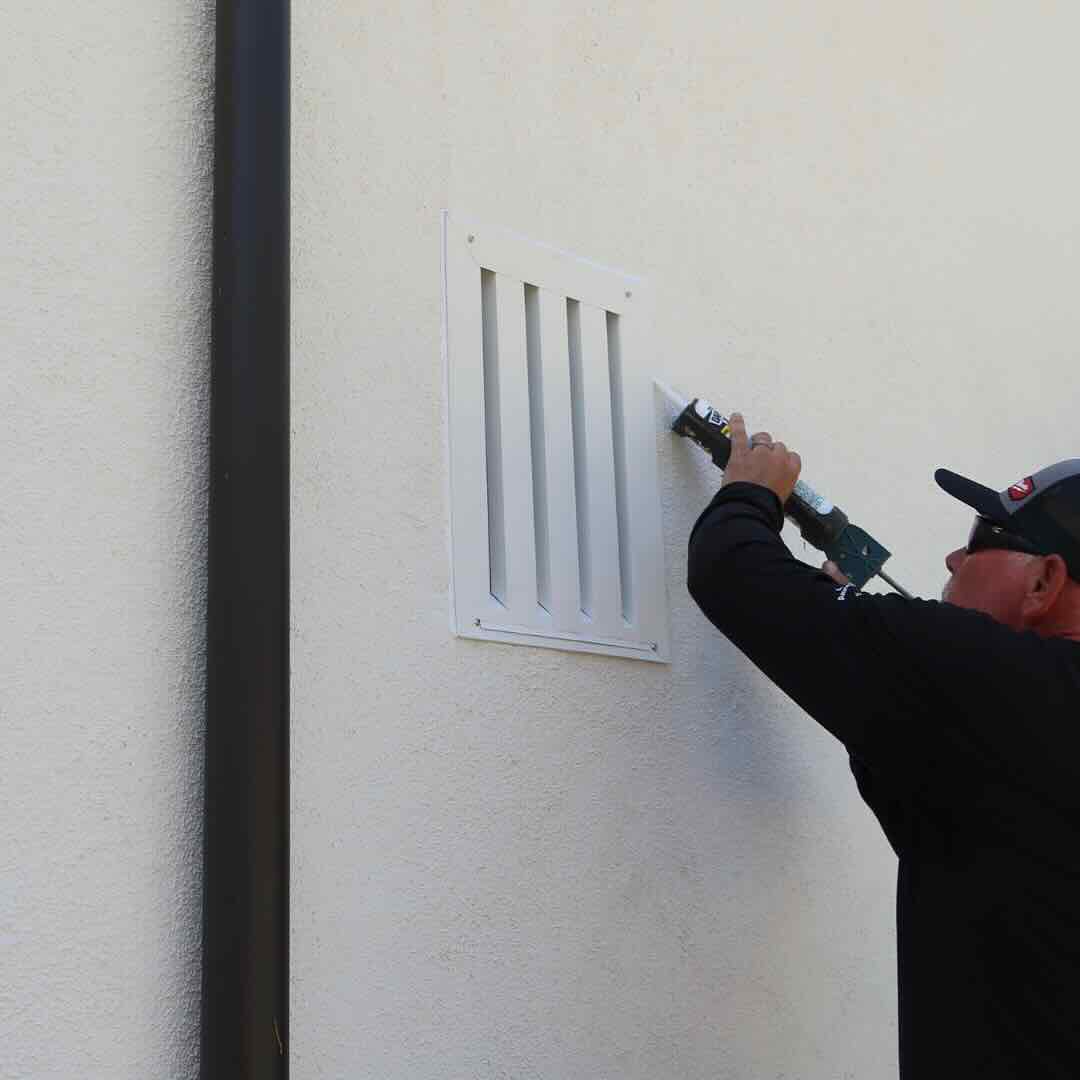
1. Protect openings
Vents, eaves, attic entries, and roof edges are where ember defense starts.
2. Clear the ember path
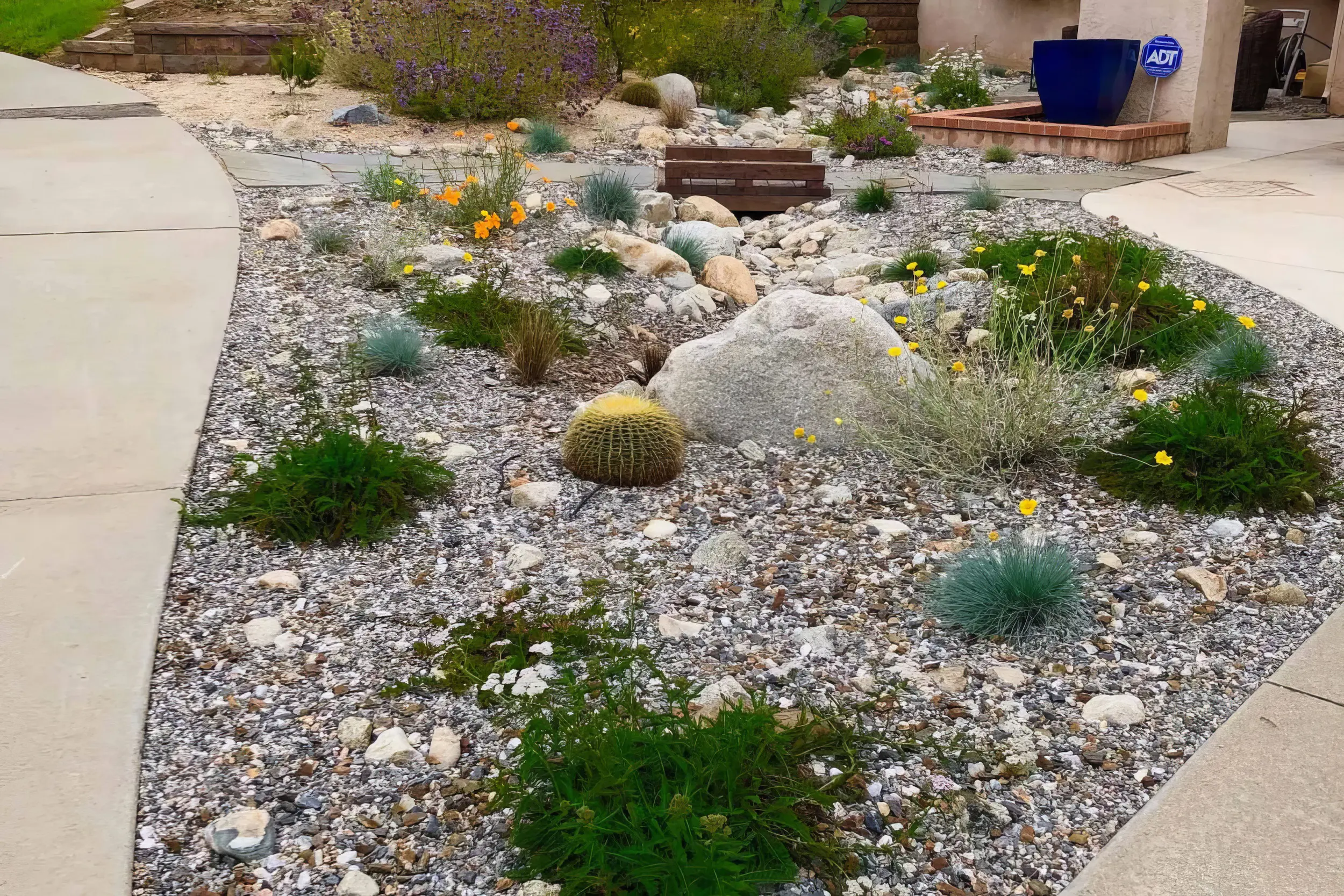
Then clean up the first 5 feet: mulch, dry leaves, stored items, fences, and plants touching the home.
3. Make it usable
Leave with a short priority list, not a pile of advice.
RF1 separates what to do now, what can wait, and what should be photographed for insurance conversations.
Home-specific plan
The right plan depends on the home, the slope, and the access
Burbank Hills includes older hillside homes, mid-century homes, custom homes, narrow streets, decks, retaining walls, and properties tucked near the Verdugo Mountain edge. The right plan starts where embers can enter the structure, then works outward through Zone 0, roof debris, fences, decks, slopes, drainage channels, and access.
RF1 adjusts the order of work to the house: vents and ember entry points first, then the vegetation and attachments that feed them.
What your RF1 assessment answers
01
Where can embers get in?
Vents, roof edges, eaves, gaps, decks, and attachments.
02
What is feeding that exposure?
Mulch, dry leaves, hedges, fences, sheds, and nearby canopy.
03
What should be fixed first?
A ranked plan with photos, materials, and insurance-ready notes.
Official resources
Official guidance, translated into a real plan
Use these resources for official fire department, city, county, and CAL FIRE guidance. RF1 can help translate the requirements into a practical property checklist and documented mitigation plan.
Homeowner questions
Common Burbank Hills wildfire mitigation questions
Does Burbank inspect defensible space before I can sell my hillside home?
Yes — homes in the Very High Fire Hazard Severity Zone require an AB 38 defensible space inspection when they sell, and Burbank Fire administers the program locally. RF1 prepares properties to pass, completes the mitigation work, and assembles the escrow-ready documentation packet.
How exposed are Burbank Hills homes compared to the flatland parts of Burbank?
It is a different risk class. The hillside streets sit against continuous Verdugo Mountain fuel with canyon wind exposure, while the flats are conventional urban risk. If your home is above Glenoaks toward the mountain edge, plan for ember exposure: vents, roof debris, Zone 0, and slope-side fencing are the priorities.
Do I need a wildfire risk assessment in Burbank Hills?
Burbank Hills homes can have very different exposure depending on slope, vegetation, rooflines, vents, neighboring parcels, and Zone 0 conditions. A parcel-level assessment helps prioritize the work that matters first.
What does RF1 check during a Burbank Hills assessment?
RF1 checks Zone 0, roof edges, gutters, vents, eaves, decks, fences, vegetation, access, and documentation needs. The goal is a prioritized mitigation plan, not a generic checklist.
Can wildfire mitigation help with insurance documentation?
Mitigation work can support insurance conversations when it is clearly documented. RF1 helps organize photos, scope, materials, and next steps so homeowners can share a concise package with their agent or carrier.
Wildfire risk assessments near Burbank Hills
Get a wildfire mitigation checklist for your Burbank Hills home
RF1 turns the map, vegetation, home-hardening issues, and insurance documentation into a prioritized plan you can actually use.