
Pacific Palisades wildfire risk mitigation, home hardening, and assessment
RF1 helps Pacific Palisades homeowners understand local wildfire exposure, prioritize defensible space and home-hardening work, and document mitigation clearly for insurance conversations.
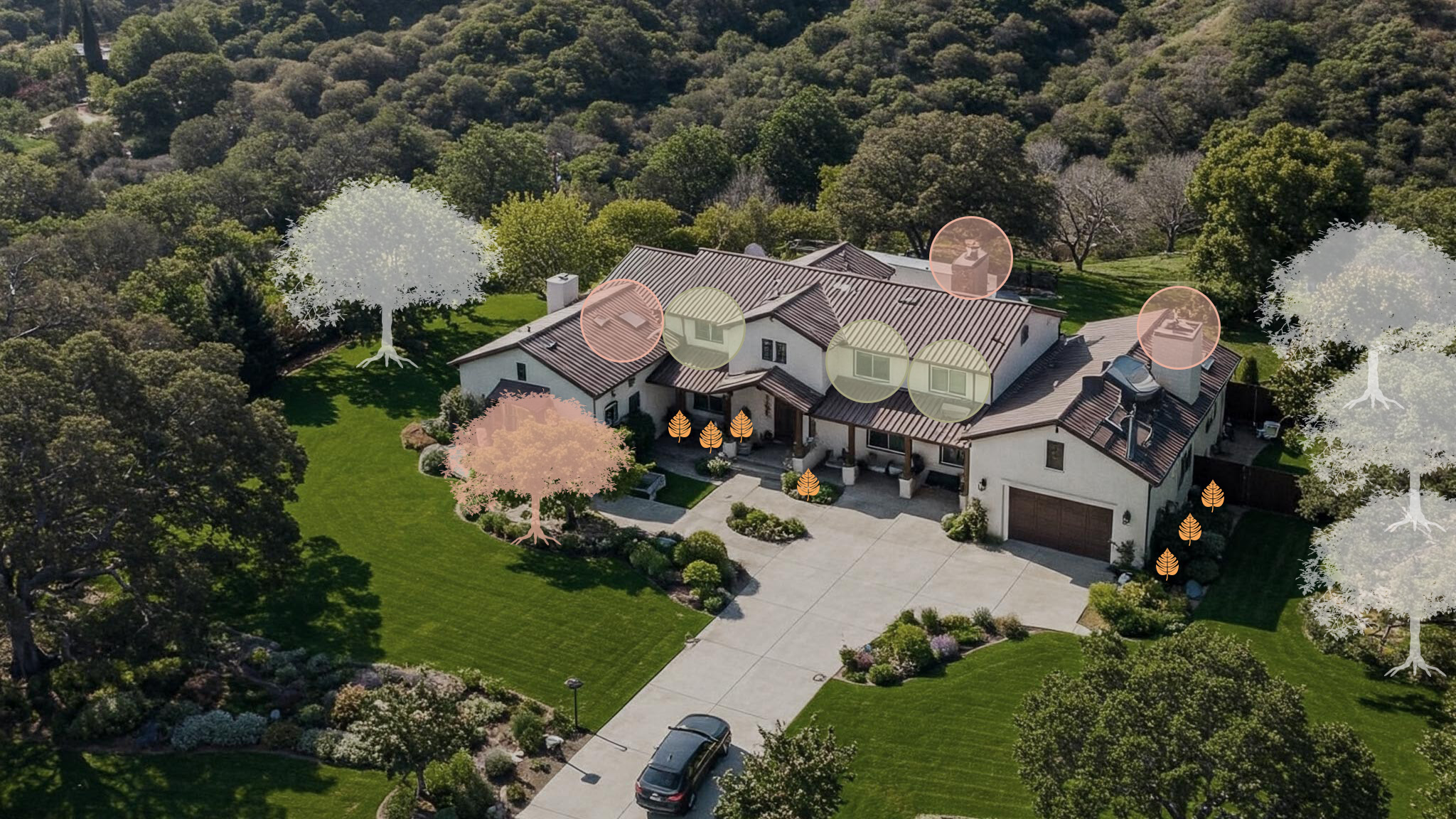
In the Palisades, the roof, vents, slope, fence line, and access route all shape the mitigation plan.
Start with the risks you can actually fix
Vents firstClose ember entry points before yard work gets expensive.
Zone 0 nextClean the first 5 feet and break fuel paths to the house.
Proof mattersLeave with photos and a short, ranked mitigation plan.
Local risk context
The map tells you the neighborhood. RF1 tells you what to fix at the house.
Pacific Palisades wildfire risk changes from the bluffs to the canyons. Santa Ana winds, steep slopes, older homes, active rebuilding, dense ornamental landscaping, and limited canyon access all affect the order of work. A useful assessment starts at ember entry points, then moves into Zone 0, roof edges, decks, fences, slopes, and documentation.
The useful answer is not “am I in a fire zone?” It is “what should I fix first?”
Start with the mapped exposure. RF1 uses the local hazard context to understand slope, canyon wind, and nearby vegetation pressure.
Then inspect the ember paths. Vents, roof edges, decks, fences, attachments, plants, and debris decide how that exposure reaches the home.
Leave with a short fix order. The assessment turns the map into a ranked plan for vents first, Zone 0 next, and documentation for insurance conversations.
CAL FIRE risk context near Pacific Palisades
Pan and click mapped zones to compare nearby hazard classifications.
Local fire history
Fires that shaped wildfire risk in Pacific Palisades
Pacific Palisades is mapped in the City of Los Angeles's Very High Fire Hazard Severity Zone, with LAFD annual brush clearance requirements. Rebuilding after the Palisades Fire must meet Chapter 7A ignition-resistant construction standards — and the lots that survived the fire face the same ember exposure the next time Santa Ana winds align.
2025
Palisades Fire
Destroyed more than 6,000 structures and killed 12 people in January 2025, one of the most destructive fires in California history, leveling entire Palisades neighborhoods from the Highlands to the village.
2019
Getty Fire
Burned along the 405 corridor just east of the Palisades, destroying homes and forcing evacuations across the westside hills.
Local vegetation and Zone 0
The plants are not the whole problem. The path to the house is.

Pacific Palisades risk changes quickly between bluff, canyon, and hillside streets, where wind, slope, vegetation, and access can make each parcel different.
In Pacific Palisades, RF1 looks for the ways vegetation, fences, roof edges, gutters, and neighboring lots connect. The goal is not to strip the yard. It is to break the ember path before it reaches vents, siding, windows, decks, and the first 5 feet around the structure.
Local signals RF1 checks first
First move
Start with ember entry points like vents and roof edges, then clean up Zone 0 around the yard.
Book a Free Wildfire Risk Assessment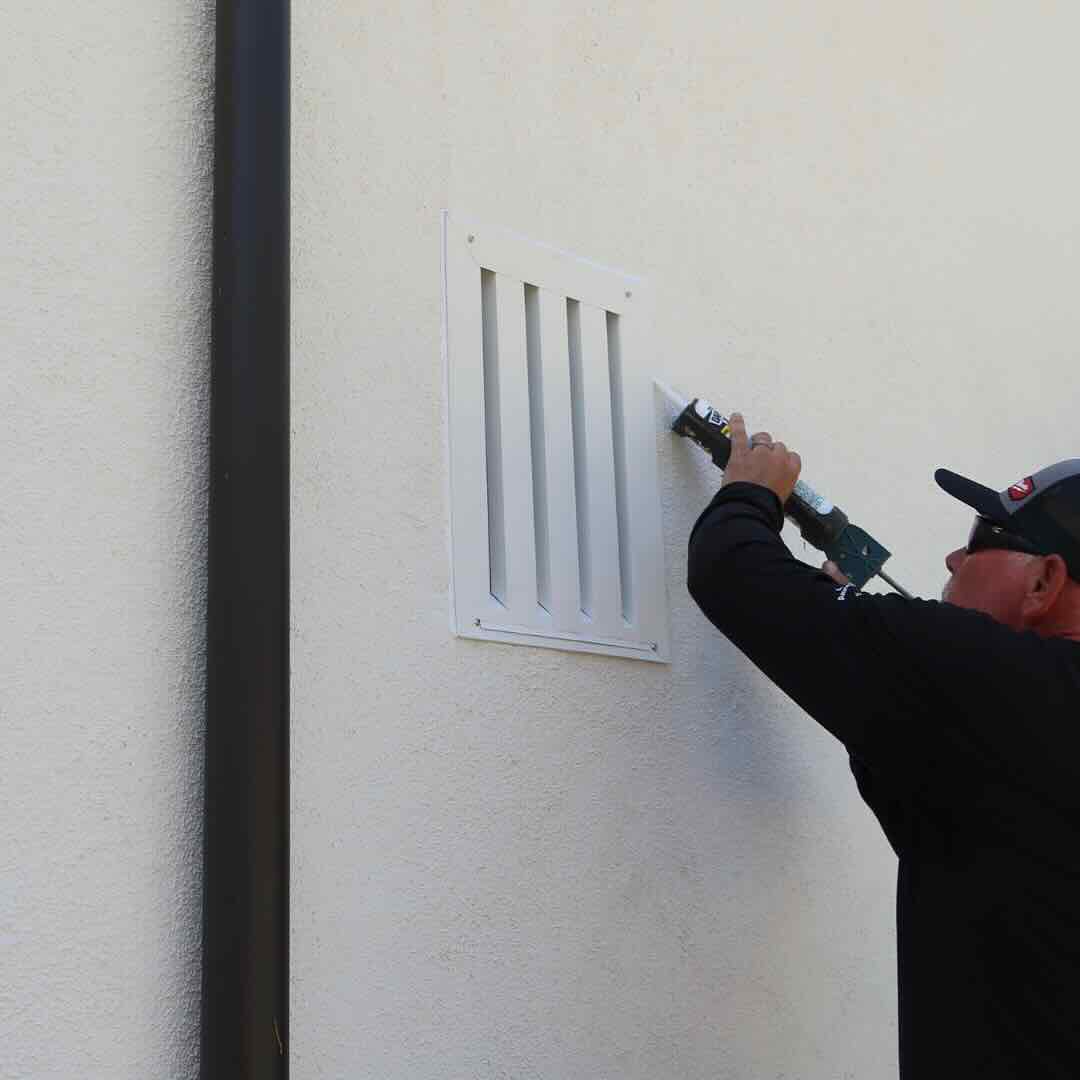
1. Protect openings
Vents, eaves, attic entries, and roof edges are where ember defense starts.
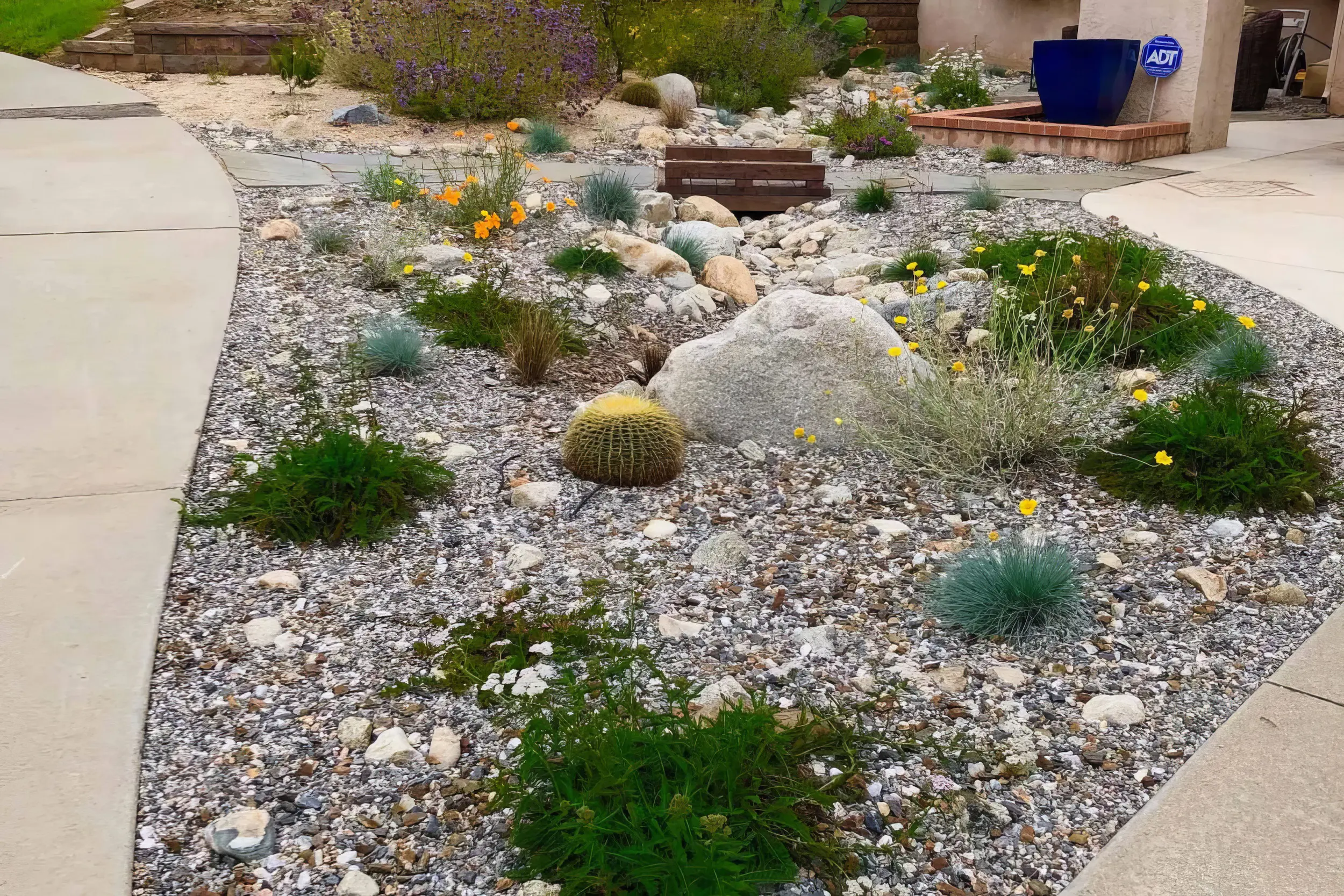
2. Clear the ember path
Then clean up the first 5 feet: mulch, dry leaves, stored items, fences, and plants touching the home.
3. Make it usable
Leave with a short priority list, not a pile of advice.
RF1 separates what to do now, what can wait, and what should be photographed for insurance conversations.
Home-specific plan
The right plan depends on the home, the slope, and the access
Pacific Palisades includes older coastal homes, hillside properties, canyon neighborhoods, high-value custom homes, and active rebuilds. The home itself, the slope behind it, the fence line beside it, and the access route to it all need to be reviewed together.
RF1 adjusts the order of work to the house: vents and ember entry points first, then the vegetation and attachments that feed them.
What your RF1 assessment answers
01
Where can embers get in?
Vents, roof edges, eaves, gaps, decks, and attachments.
02
What is feeding that exposure?
Mulch, dry leaves, hedges, fences, sheds, and nearby canopy.
03
What should be fixed first?
A ranked plan with photos, materials, and insurance-ready notes.
Official resources
Official guidance, translated into a real plan
Use these resources for official fire department, city, county, and CAL FIRE guidance. RF1 can help translate the requirements into a practical property checklist and documented mitigation plan.
Homeowner questions
Common Pacific Palisades wildfire mitigation questions
What wildfire standards apply to rebuilding in Pacific Palisades?
Rebuilds in the Very High Fire Hazard Severity Zone must meet California's Chapter 7A exterior standards — ember-resistant vents, ignition-resistant siding and decking, and tempered glazing among them. RF1 helps owners pair the hardened structure with a compliant landscape so the first 5 feet, fences, and gates do not reintroduce the risk the construction standards removed.
My Palisades home survived the fire. What should I do differently now?
Surviving homes are surrounded by construction sites, regrowing fuel, and the same wind corridor. The highest-value steps are documenting your home's current hardened condition for insurance, upgrading vents and Zone 0 to the standard the rebuilds will meet, and keeping roof and gutter debris off the house during the rebuild years.
Do I need a wildfire risk assessment in Pacific Palisades?
Pacific Palisades homes can have very different exposure depending on slope, vegetation, rooflines, vents, neighboring parcels, and Zone 0 conditions. A parcel-level assessment helps prioritize the work that matters first.
What does RF1 check during a Pacific Palisades assessment?
RF1 checks Zone 0, roof edges, gutters, vents, eaves, decks, fences, vegetation, access, and documentation needs. The goal is a prioritized mitigation plan, not a generic checklist.
Can wildfire mitigation help with insurance documentation?
Mitigation work can support insurance conversations when it is clearly documented. RF1 helps organize photos, scope, materials, and next steps so homeowners can share a concise package with their agent or carrier.
Wildfire risk assessments near Pacific Palisades
Get a wildfire mitigation checklist for your Pacific Palisades home
RF1 turns the map, vegetation, home-hardening issues, and insurance documentation into a prioritized plan you can actually use.