
Phifer EmberScreen
Tuscaloosa, ALAluminum vent mesh sold in rolls for DIY and contractors.
They say: Woven to block more embers than standard vent mesh; tested to ASTM E2886, per Phifer.
Retrofit screen for existing vents
The simplest upgrade: swap old or oversized screen for noncombustible metal mesh with openings 1/8 inch or smaller. Your existing vent stays; the mesh does the ember work.
Protection is RF1's read of published tests, not a lab rating. Prices are rough ranges based on a 2024 California study, not RF1 quotes.
How it works
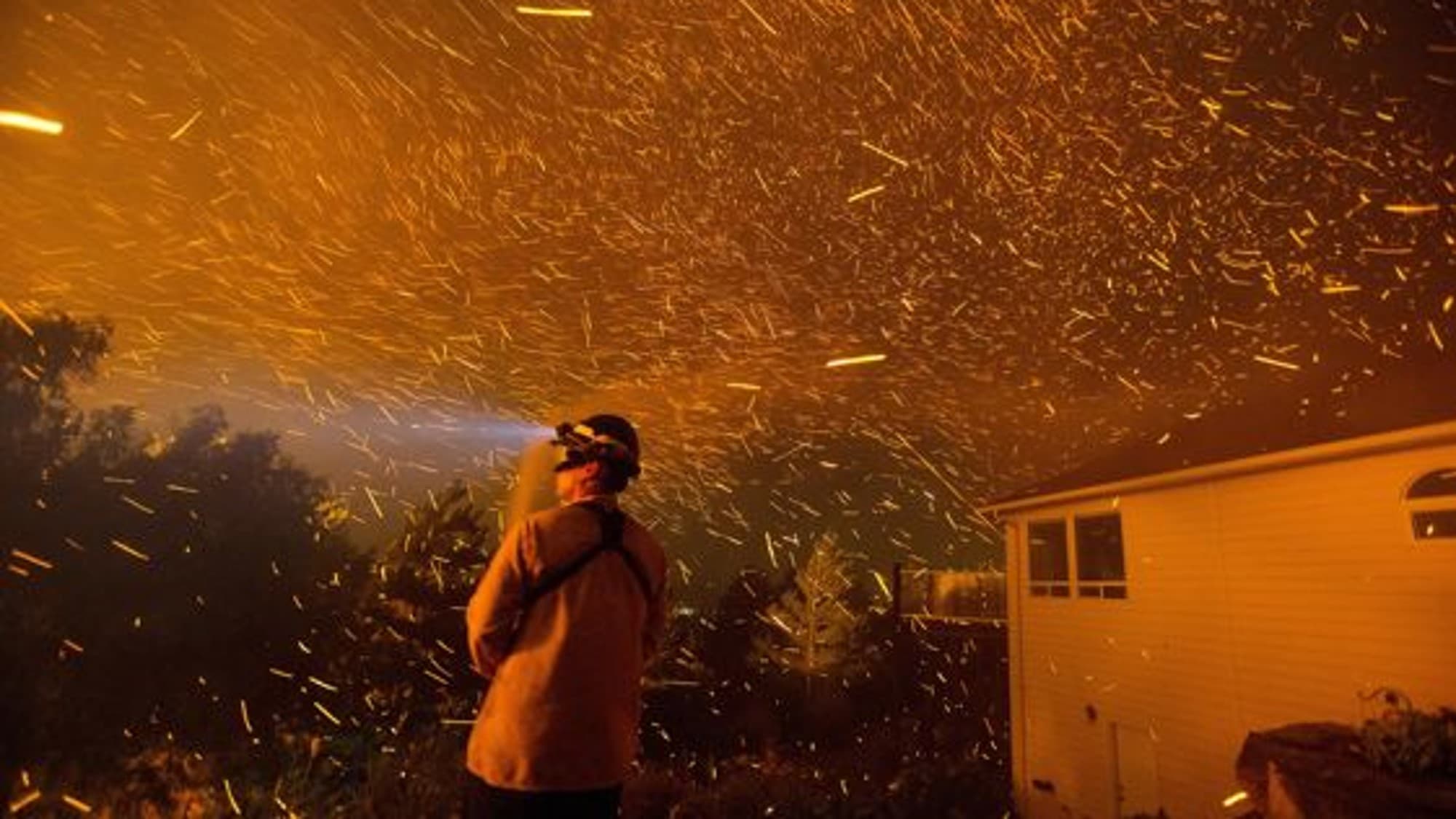
Embers don't go out when they hit a screen. They keep burning until they're small enough to slip through, so the size of the openings decides how many get in.
1/8-inch metal mesh is the threshold IBHS uses for its Wildfire Prepared Home prescriptive option, and the size California's AB 38 disclosure uses for home sales.
Finer 1/16-inch mesh stops smaller embers but clogs, gets painted over more easily, and cuts more airflow.
Mesh size
Finer mesh stops more embers. In IBHS's 2017 tests, embers that got through 1/16-inch mesh were small enough to burn out before reaching the attic floor. On gable vents, IBHS rated 1/16-inch mesh "Good," 1/8-inch "Fair" and 1/4-inch "Poor."
Finer mesh also clogs. Boulder County advises 1/8 inch and says to avoid finer mesh because it clogs often and can block circulation. 1/16-inch mesh is also easier to paint over.
The code sets the limits. California's Residential Code allows attic vent openings from 1/16 to 1/4 inch. For roof vents on new homes in fire hazard areas, the 2025 WUI Code requires noncombustible mesh between 1/16 and 1/8 inch. For crawlspaces, the Residential Code lists corrosion-resistant mesh with openings of 1/8 inch among the allowed coverings.
Mesh costs airflow. On O'Hagin's roof vents, going from 1/4-inch to 1/8-inch mesh cuts open area by 10%.
What to buy
| Product | Material | Price, where, when |
|---|---|---|
| Gibraltar Kwikmesh, 8 in x 25 ft | 1/8-inch galvanized expanded metal | About $26, Home Depot search listing, Nov 2026 (not confirmed) |
| Phifer EmberScreen, 6 in x 100 ft | Aluminum with a flame-resistant coating; Phifer says it's tested to ASTM E2886. Opening size not published. | Not found at Home Depot or Lowe's |
| 1/8-inch galvanized hardware cloth, 36 in x 100 ft | Galvanized steel | About $274, Mill Supply search listing, Nov 2026 |
| BrandGuard ember mesh | Metal, per BrandGuard | $66 to $365 per roll, BrandGuard's store, Nov 2026 |
Foundation vents
The Santa Barbara County Fire Safe Council describes two ways to upgrade a foundation vent with 1/4-inch screen:
Mesh and the code
On an existing home, adding 1/8-inch metal mesh is a voluntary upgrade, and IBHS accepts it for Wildfire Prepared Home. It isn't a code-compliant replacement for new or replaced wall, eave, gable or foundation vents in a fire hazard area. For those, the 2025 WUI Code expects a vent that's listed by the State Fire Marshal or tested to ASTM E2886. Mesh alone is the code path only for roof vents.
Approved vents
The State Fire Marshal's Building Materials Listing blocked our tools, so these steps come from county guides and secondary sources, not from the site itself.
From RF1 jobs
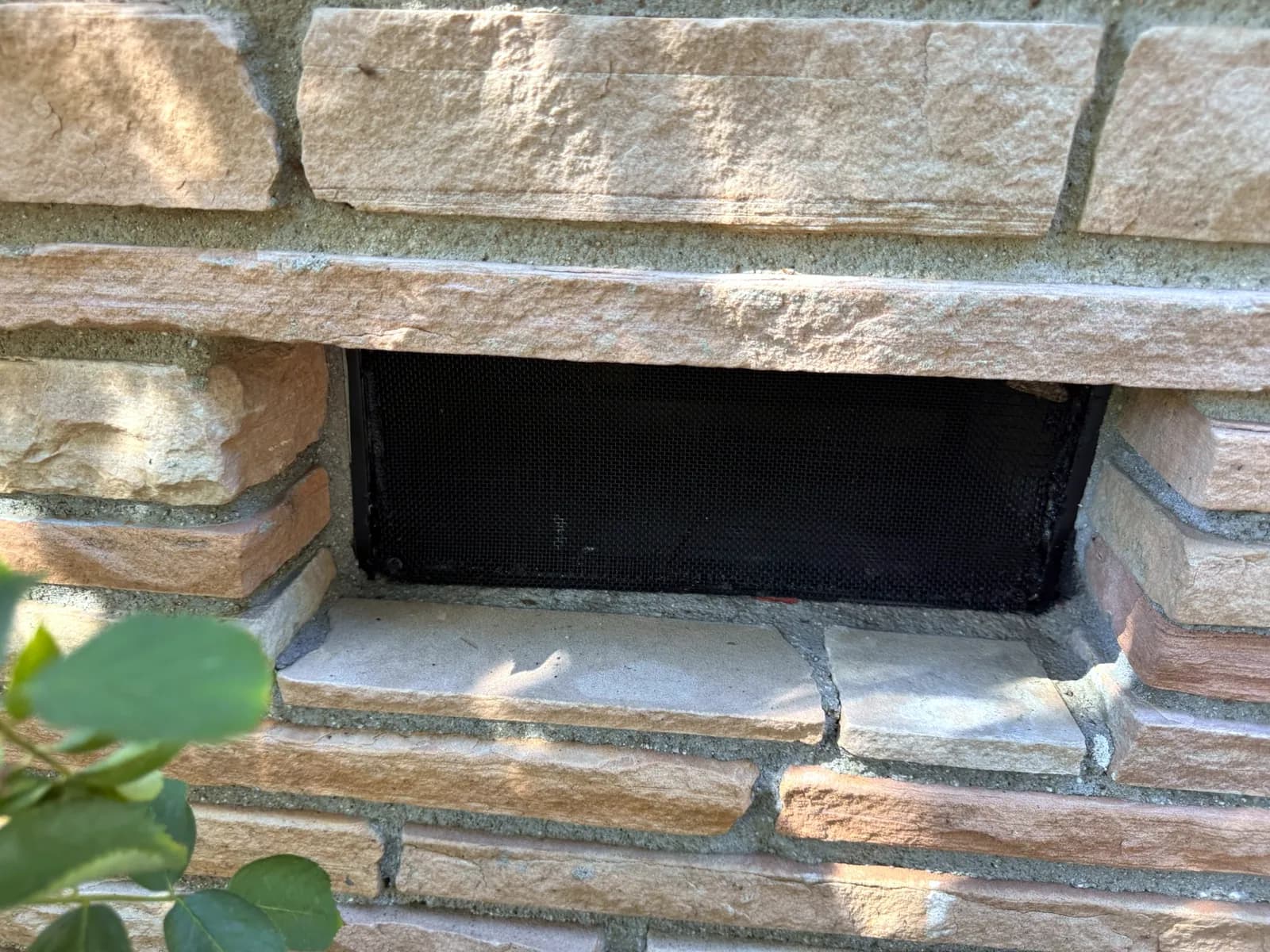
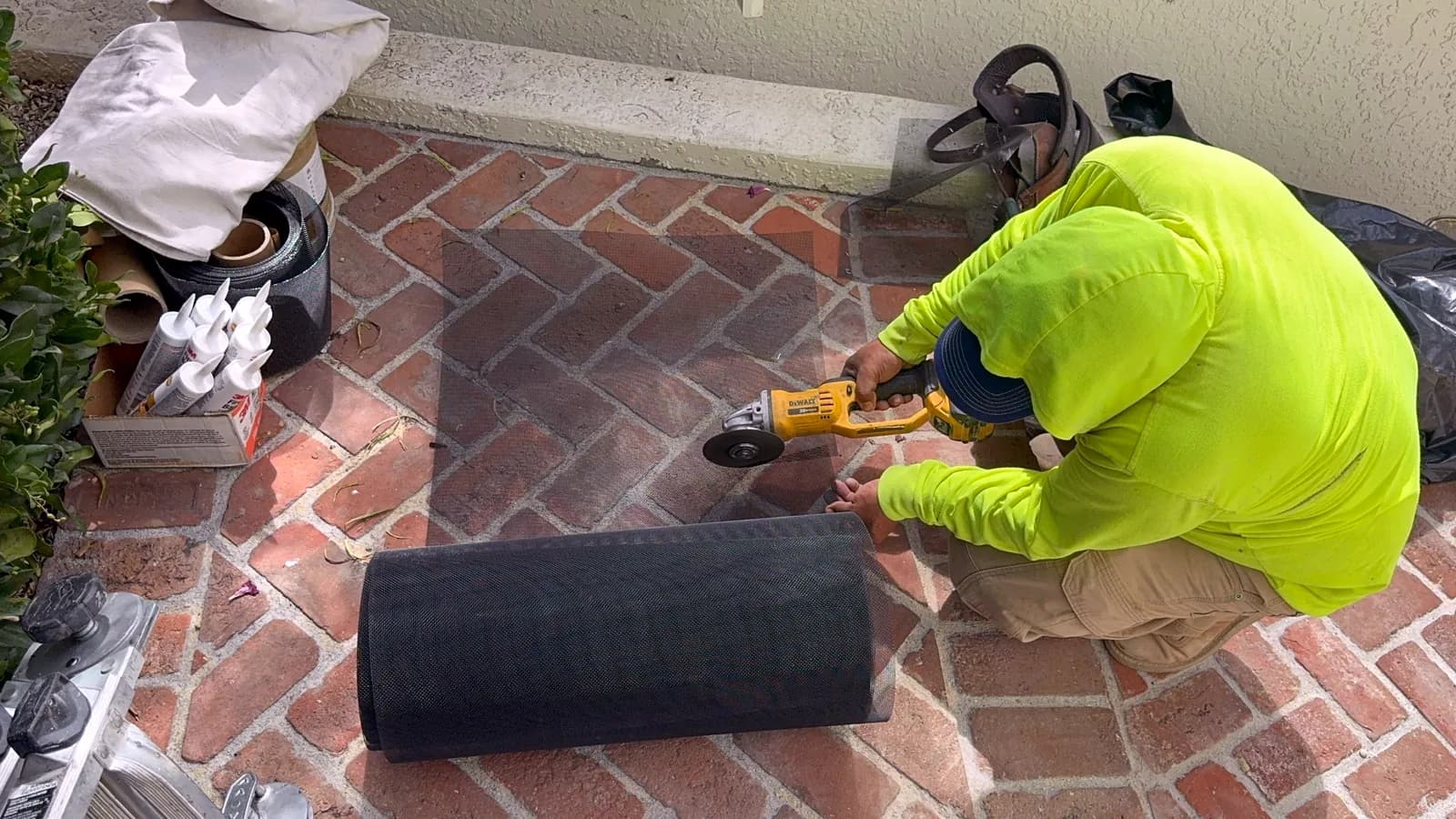
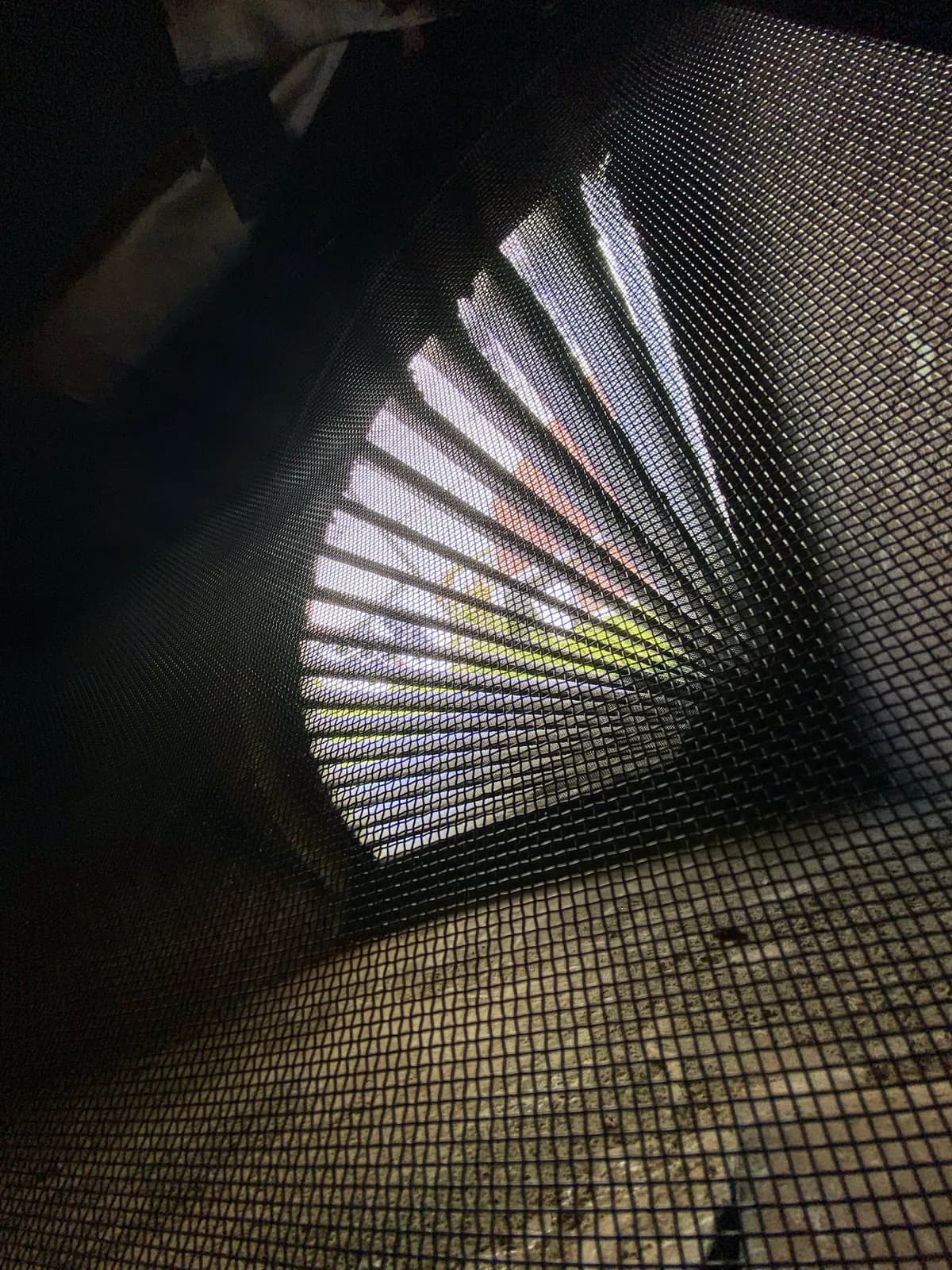
Real RF1 job photos. Locations withheld for our clients' privacy.
Who makes it
Aluminum vent mesh sold in rolls for DIY and contractors.
They say: Woven to block more embers than standard vent mesh; tested to ASTM E2886, per Phifer.
1/8-inch and 1/16-inch ember mesh, alongside BrandGuard's baffle vents.
They say: Built for ember and flame resistance, per BrandGuard.
Prices: $66 to $365 per roll on BrandGuard's store (Oct 2026)
Descriptions are each maker's claims, not RF1 test results. Before buying, confirm the exact model on the State Fire Marshal's Building Materials Listing (vents are category 8165).
Compare Vulcan, BrandGuard, O'Hagin and Embers Out side by sideWhat it costs
Mesh is usually part of a larger vent job. Installed cost depends on how many vents you have and how hard they are to reach.
These are rough ranges, not RF1 quotes. Most RF1 jobs land between $500 and $5,000, and your plan prices every vent before anything is booked.
Estimate the cost for your whole house Work out how many vents your home needsNot sure if mesh is enough for your vents, or if they need replacing?
Compare your mesh to real-size samples, or have Mark check every vent in person, free.
Questions
1/16 inch stops more embers, and IBHS rated it higher on gable vents. It also clogs and gets painted over more easily, so Boulder County and others recommend 1/8 inch. 1/8 inch is the size IBHS accepts for Wildfire Prepared Home and the size AB 38 uses for home sales.
Sources
Facts and prices checked November 2026. Maker figures are the makers' own claims, not RF1 test results. Retail prices change often.
A free assessment, a plan with prices, and one team to do the work. Pasadena, Altadena and across Southern California.